Make Room for Living

Today we dive into custom storage for small apartments, comparing modular systems with built‑in solutions through honest pros, costs, and lived‑in examples. You’ll learn how to measure smarter, design for change, and avoid expensive mistakes. Share your own space puzzles, ask questions, and subscribe for fresh ideas that keep every square inch working beautifully.

Reading the Space, Not Just the Tape Measure

Measure widths, heights, and depths, but also watch the choreography of everyday movement. Note window light, heating radiators, vents, and outlets that limit placements. Track what you need daily at arm’s reach versus occasionally on higher shelves. Photograph each wall, then sketch zones where storage must be shallow, silent, and safe when doors or drawers open.

Declutter Before You Design

No configuration beats excess stuff. Sort by frequency of use, category, and emotional value before deciding volumes. Right-sizing storage after a thoughtful edit prevents overbuilding and saves budget for durable finishes. Donate duplicates, digitize papers, and commit to container limits. Designing for the belongings you actually keep turns every inch into purposeful capacity with breathing room.

Zoning Without Walls

In small apartments, storage can act as a room divider without shrinking light or air. Open shelving, low credenzas, and translucent panels define areas while keeping sightlines long. Add casters for movable boundaries that adapt to guests, workouts, or projects. Use consistent materials to unify zones so the place feels calm rather than chopped up.

What Small Homes Truly Need

Before buying a single shelf or commissioning cabinetry, understand how your space behaves hour by hour. Traffic lines, door swings, and vertical reach matter as much as square footage. We’ll map belongings to routines, embrace awkward corners, and choose storage that supports life, not just clutter. Comment with your toughest corner or closet and we’ll brainstorm solutions together in future updates.

Life Changes, Units Reconfigure

The desk that becomes a nursery shelf, the pantry that turns into a craft closet—modular storage pivots without demolition. Swap doors for drawers, add hanging rails, or shift heights as wardrobes evolve. This adaptability prevents sunk costs and extends product lifespans. For small apartments, versatility is square footage you can’t see but instantly feel.

Installation in an Afternoon

Most modular pieces assemble with basic tools and minimal mess, a win for busy schedules and noise‑sensitive neighbors. Wall tracks or tension posts avoid drilling into tricky masonry. If you relocate, components pack flat and move easily. That reversibility helps renters respect leases while still achieving tailored functionality and a sense of order from day one.

Built-In Craftsmanship That Earns Its Keep

Well-designed built-ins maximize odd nooks, eliminate dust‑catching gaps, and deliver a calm, seamless look that visually enlarges tight rooms. They can integrate power, lighting, and acoustic panels while aligning perfectly with baseboards and sills. Thoughtful ventilation and access panels keep appliances serviceable. When permanence is appropriate, quality millwork pays back in daily satisfaction and long‑term value.

Numbers, Costs, and Carbon You Can Compare

Budget decisions work best with transparent math. Consider upfront price, time, maintenance, repairability, and the emissions embodied in materials. Modular systems may cost less initially and offer reuse; built‑ins can reduce future purchases by fitting precisely. We’ll outline durable materials, finishes, and small details that prevent rework. Share your budget range to receive tailored suggestions in comments.

Upfront Price vs Lifetime Cost

A cheap shelf that sags under cookbooks becomes expensive when replaced twice. Durable hinges, proper wall anchors, and real wood edges resist daily wear. Built‑ins cost more to start but can replace three mediocre pieces. Factor moving costs, potential resale value, and time saved finding things. Lifetime affordability often lives in thoughtful details, not headlines.

Materials and Emissions Matter

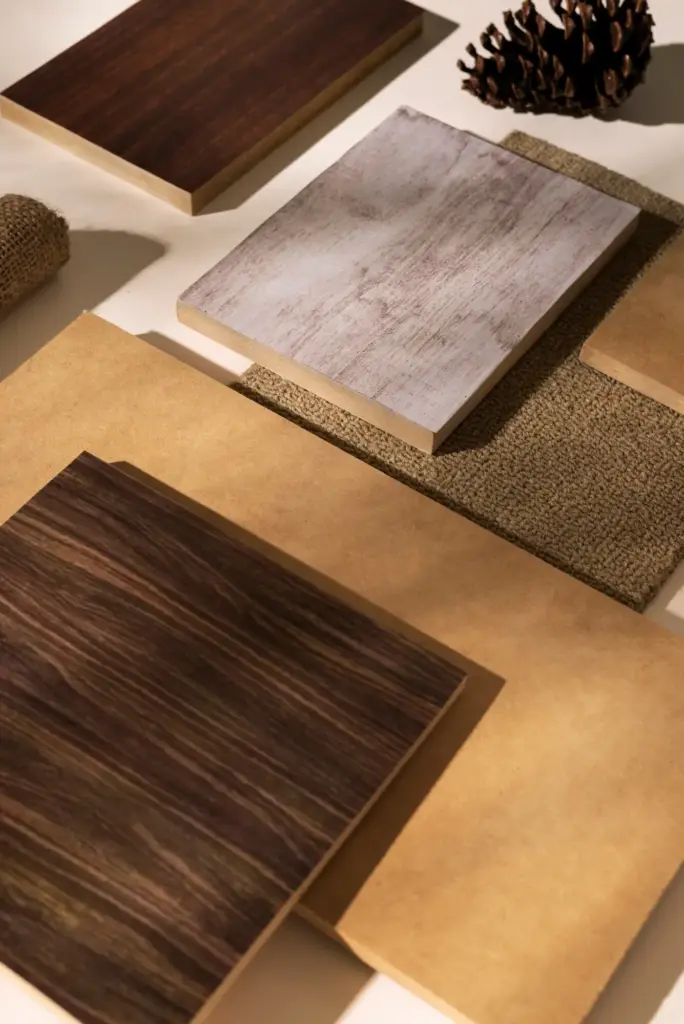
Plywood with low‑VOC glues, powder‑coated steel, and responsibly sourced solid wood balance strength and environmental impact. MDF is smooth but heavy and moisture sensitive; choose sealed edges and correct fasteners. Modular pieces can be repurposed, reducing waste. Built‑ins minimize duplicates by using tricky corners well. Pick finishes you can repair, not just admire on delivery day.

Tiny Mistakes That Cost Big

Miscount a baseboard or forget a door swing and drawers will crash, shattering satisfaction. Measure wall plumb, ceiling level, and outlet positions. Confirm elevator dimensions, stair turns, and hallway widths for delivery. Order extra hardware and touch‑up paint. A fifteen‑minute checklist can save weeks of frustration and hundreds in returns or emergency modifications.

Case Studies from Real Small Apartments

Stories make decisions clearer. Here are compact homes that balanced flexibility and permanence to win back space, calm, and joy. You’ll see how constraints like sloped ceilings or rental rules shaped solutions, plus what each resident would change next time. Add your own story in the comments to help others facing familiar puzzles and pressures.

Studio with a Murphy Bed Wall

A 320‑square‑foot studio gained a living room by pairing a folding bed with shallow side closets and a fold‑down night shelf. Built‑ins aligned with window trim to feel integrated, while a modular cart rolled out for weekend hobbies. The resident reports quicker morning routines and fewer piles, crediting closed storage for visual calm and focus.

Rental Kitchen Rescue with Modular Rails

Drilling limits pushed a tenant toward wall rail storage, clip‑on shelves, and freestanding pantries. Moveable bins corralled snacks by height so nothing vanished. When a roommate arrived, adding a second rail doubled capacity without blocking light. At move‑out, everything came down cleanly. Landlord happy, deposit intact, and the system now lives in their new place.
Measure Twice, Model Once

Record wall widths at multiple heights, ceiling variations, and baseboard depths. Note obstacles like radiators and sprinkler heads. Build a quick 3D or paper model to catch conflicts early. Digitally test door swings and drawer clearances. This extra hour protects your wallet and sanity, making both modular parts and cabinetry plans far more reliable on install day.

Prototype with Tape, Boxes, and Time

Lay painter’s tape where cabinets might go. Stack boxes to test shelf heights, then live with the mockup for a weekend. Do you bump corners or block light? Adjust and retest. This playful step exposes issues measurements miss, ensuring final pieces—whether flexible modules or permanent millwork—fit your habits, not an idealized drawing or glossy photo.

Style, Light, and Daily Joy

Storage should lift your mood, not just hide mess. Finishes that reflect light, unified hardware, and rhythmic door lines create calm in small rooms. Mix open and closed elements for balance. Add gentle lighting inside frequently used cabinets. When every touch feels considered, you’ll put things away naturally. Share your palette ideas and we’ll suggest durable counterparts.
Lerarinalaxomutumipeza
Privacy Overview

This website uses cookies so that we can provide you with the best user experience possible. Cookie information is stored in your browser and performs functions such as recognising you when you return to our website and helping our team to understand which sections of the website you find most interesting and useful.